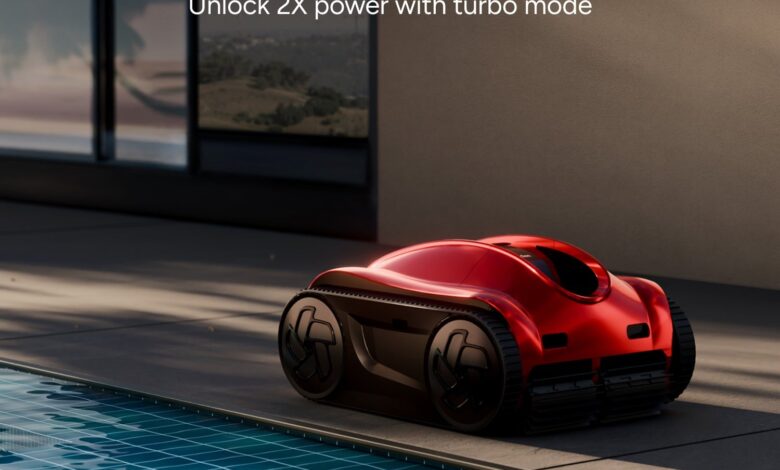
If you’ve ever spent a Saturday afternoon skimming leaves, scrubbing walls, and vacuuming the floor of your pool only to find debris floating back in hours later, you know the frustration all too well. Manual pool cleaning is not just time-consuming—it’s often inconsistent, leaving behind algae buildup in corners and fine particles that escape traditional nets and vacuums. For many homeowners, maintaining a pristine pool feels like a never-ending battle against nature itself.
Enter the pool cleaning robot: a game-changing solution designed to deliver a spotless pool with minimal human intervention. These intelligent devices work autonomously, navigating every inch of your pool’s surface while you reclaim your weekends. Whether you’re dealing with stubborn sediment, seasonal leaf fall, or everyday dirt, a robotic pool cleaner handles it all with remarkable precision. In this guide, we’ll walk you through everything you need to know—from understanding why these machines have become essential, to selecting the perfect model for your specific pool, to keeping it running at peak performance for years to come.
Why a Pool Cleaning Robot is Essential for Modern Homeowners
The days of hauling out a manual vacuum, attaching hoses to your filtration system, and spending hours guiding a cleaning head across the pool floor are rapidly fading. Modern homeowners are embracing automation in every corner of their lives—from smart thermostats to robotic lawn mowers—and pool maintenance is no exception. A pool cleaning robot represents the natural evolution of this trend, offering a hands-off approach that delivers results far superior to traditional methods.

Consider the time investment alone. The average pool owner spends between three and five hours per week on cleaning and maintenance tasks. Over a swimming season, that adds up to well over 100 hours—time that could be spent enjoying the pool rather than servicing it. A robotic pool cleaner completes a thorough cleaning cycle in two to three hours, working independently while you handle other priorities or simply relax.
Beyond time savings, these machines deliver remarkable energy efficiency. Unlike pressure-side or suction-side cleaners that rely on your pool’s pump and filtration system, robotic cleaners operate on their own low-voltage motors. This independence means your main pump can run fewer hours per day, reducing electricity costs by as much as 30 percent in some households. The self-contained filtration within the robot also reduces strain on your pool’s primary filter, extending its lifespan and lowering replacement costs.
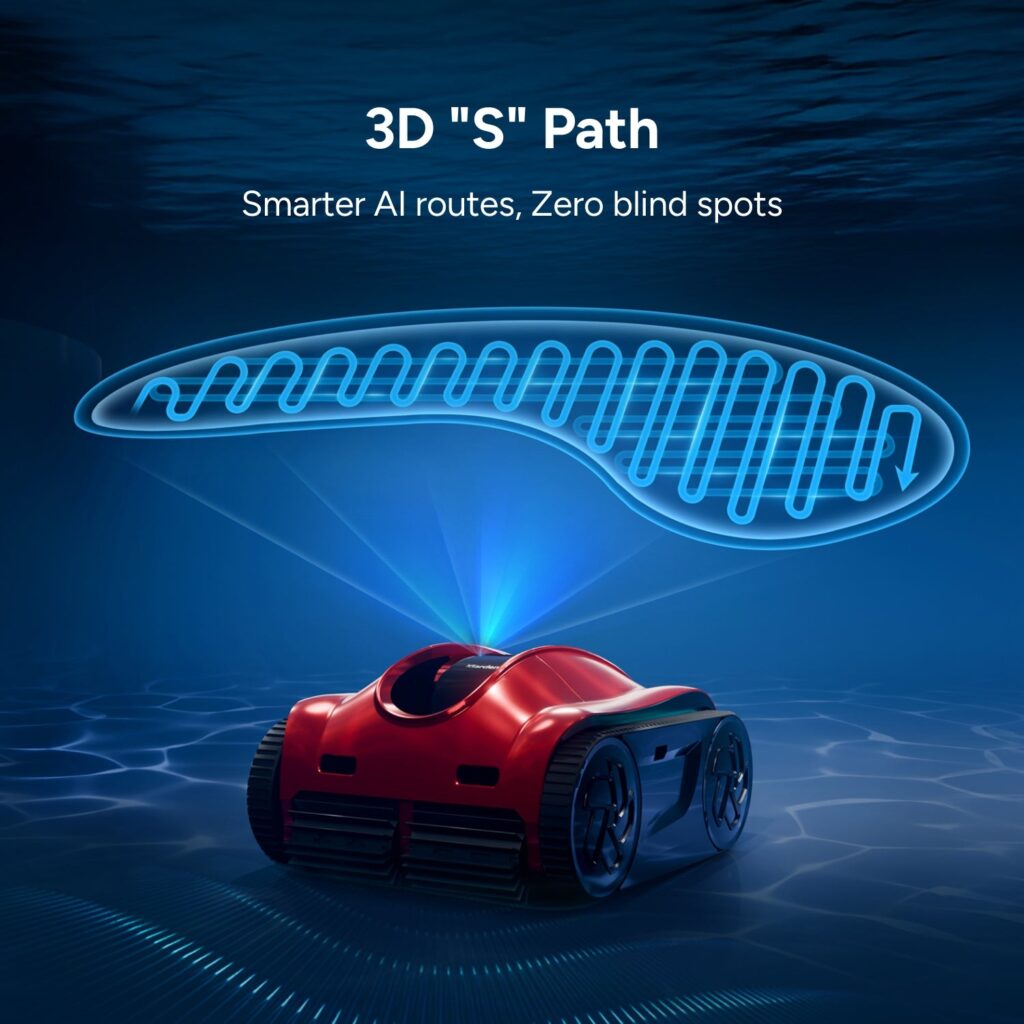
Perhaps most importantly, robotic pool cleaners provide consistent, repeatable results. They don’t get tired, distracted, or rush through corners. Their systematic cleaning patterns ensure every square inch of the pool floor, walls, and waterline receives attention during each cycle. Homeowners who have made the switch frequently report noticeably clearer water, reduced chemical usage due to better debris removal, and fewer algae outbreaks. For anyone who values both a pristine pool and their personal time, the investment in a pool cleaning robot isn’t a luxury—it’s a practical necessity that pays for itself through efficiency and reliability.
Key Features to Look for in a Robotic Pool Cleaner
Not all robotic pool cleaners are created equal, and understanding the features that separate an adequate machine from an exceptional one will help you make a confident purchasing decision. The technology packed into today’s models varies significantly, and the right combination of features depends on your pool’s unique characteristics and your personal expectations for cleanliness.
Smart Navigation Systems for Efficient Cleaning
The brain of any robotic pool cleaner is its navigation system. Entry-level models rely on random movement patterns, bouncing off walls and changing direction until they eventually cover most of the pool floor. While functional, this approach wastes energy and often leaves gaps. Advanced models use smart navigation technology—employing gyroscopes, accelerometers, or even onboard cameras—to map your pool’s dimensions in real time. These systems calculate the most efficient cleaning path, ensuring complete coverage of floors, walls, and waterline in a single cycle without redundant passes. The difference in cleaning thoroughness between random and mapped navigation is substantial, particularly in pools with irregular shapes or built-in features like steps and benches.
Cordless Pool Cleaner vs. Corded Options
Choosing between a cordless pool cleaner and a corded model comes down to balancing convenience against runtime. Cordless units offer unmatched freedom of movement—no tangling, no cable management, and easy deployment without fuss. However, battery life typically limits them to 60–120 minutes per charge, making them ideal for small to medium pools. Corded models can run indefinitely and generally deliver stronger suction, suiting larger pools or those with heavy debris loads. If your pool exceeds 40 feet in length or requires extended cleaning sessions, a corded robotic pool cleaner often proves more reliable for complete coverage.
Debris Handling and Filter Capabilities
A robot’s cleaning effectiveness ultimately hinges on how well it captures and retains debris. Look closely at the filtration system: fine-mesh filters excel at trapping microscopic particles like sand, pollen, and algae spores that cloud your water, while larger-capacity baskets handle leaves, twigs, and acorns without clogging mid-cycle. The best models offer dual-layer filtration combining both capabilities. Consider your pool’s primary debris challenges when evaluating filter options. A home surrounded by mature trees needs generous basket capacity to avoid frequent emptying, whereas a pool in an open area benefits more from ultra-fine filtration that polishes water clarity. Some advanced units feature top-loading filter access, allowing you to remove and rinse the cartridge without flipping the robot over or getting your hands excessively dirty—a small design detail that makes routine maintenance far more pleasant.
Step-by-Step Guide to Choosing the Right Pool Cleaning Robot
Selecting the ideal pool cleaning robot doesn’t have to feel overwhelming. By breaking the decision into manageable steps, you can confidently identify the model that aligns with your pool’s specific demands and your lifestyle expectations. This structured approach eliminates guesswork and ensures you invest in a machine that delivers reliable, efficient results from day one.
Assess Your Pool Type, Size, and Shape
Start by documenting your pool’s fundamental characteristics. Measure the length, width, and depth—these dimensions determine the cable length or battery capacity you’ll need for full coverage. Note whether your pool is in-ground or above-ground, as not all robots are compatible with both types. Above-ground pools typically have softer liners that require gentler brush systems, while in-ground pools with gunite or tile surfaces benefit from more aggressive scrubbing. Pay attention to your pool’s shape as well. Freeform designs with curves, tanning ledges, or integrated spas demand advanced navigation capabilities that can handle irregular contours without getting stuck. If your pool features steep walls or a deep end exceeding eight feet, confirm that any model you consider has the climbing ability and suction power to handle those transitions smoothly.
Identify Common Debris and Cleaning Requirements
Spend a week observing what accumulates in your pool. Homes near deciduous trees face heavy leaf loads in autumn, requiring robots with large-capacity filter baskets that won’t clog after ten minutes of operation. Properties in arid or sandy regions deal with fine particulate that settles on the floor and demands ultra-fine filtration to prevent water cloudiness. If your pool sits near flowering plants, pollen becomes a persistent challenge best addressed by robots with fine-mesh cartridges capable of capturing particles down to two microns. Also consider how frequently you’ll run the cleaner—daily light maintenance cycles require different capabilities than weekly deep-cleaning sessions after storms or heavy use.
Match Features to Your Specific Needs
With your pool profile and debris patterns documented, create a prioritized checklist of must-have features. A large, irregularly shaped pool calls for a robotic pool cleaner with smart navigation and wall-climbing ability. Heavy debris environments demand oversized filter baskets with easy top-loading access. If convenience ranks highest on your list, a cordless pool cleaner with app-based scheduling eliminates cable hassles and lets you program cleaning cycles remotely. For energy-conscious homeowners, look for models with variable-speed motors that adjust power consumption based on debris load. Don’t overlook practical details like the weight of the unit when lifted from water, the length of the power cord relative to your pool’s longest diagonal, and whether replacement filters and parts are readily available.
Top Models and Recommendations for Different Scenarios
Robotic pool cleaners generally fall into three categories that align with different homeowner situations. Budget-friendly models suit smaller above-ground pools with light debris, offering basic floor-only cleaning with random navigation at an accessible entry point. Mid-range units represent the sweet spot for most homeowners, combining smart navigation, wall and waterline cleaning, and programmable scheduling in a reliable package. Premium models cater to large or complex pools, featuring app connectivity, multi-surface optimization, and advanced mapping that remembers your pool’s layout between cycles. Smart home platforms like iGarden have made it easier than ever to integrate robotic pool cleaners into broader home automation ecosystems, allowing you to manage pool maintenance alongside other connected devices. Rather than fixating on a single brand, research models within your target category, read verified owner reviews from pools similar to yours, and prioritize manufacturers with strong warranty support and accessible customer service. A little upfront research pays dividends in long-term satisfaction and reliability.
Maximizing Performance and Longevity of Your Pool Cleaning Robot
Once you’ve invested in a robotic pool cleaner, proper care ensures it continues delivering spotless results season after season. After each cleaning cycle, remove the filter cartridge or basket and rinse it thoroughly with a garden hose—allowing debris to dry and harden inside the filter dramatically reduces suction efficiency over time. Inspect the brushes monthly for wear, as frayed or flattened bristles lose their ability to dislodge stubborn algae and biofilm from pool surfaces.
Storage matters more than most owners realize. Never leave your robot submerged in chemically treated water between uses, as prolonged exposure to chlorine degrades seals, cables, and housing materials. Store the unit in a cool, shaded area away from direct sunlight, ideally on its caddy to prevent flat spots on the treads. If your model features smart navigation with app connectivity, check periodically for firmware updates that improve mapping accuracy and cleaning patterns. When performance seems to decline, troubleshoot systematically: verify the filter isn’t clogged, confirm the brushes spin freely, and check that the cable or charging contacts remain clean and undamaged. These simple habits extend your robot’s operational life by years and maintain the consistent, reliable cleaning performance that made the investment worthwhile in the first place.
Embrace Effortless Pool Maintenance and Reclaim Your Free Time
A pool cleaning robot transforms pool ownership from a labor-intensive chore into an effortless experience. Throughout this guide, we’ve explored how these intelligent machines save homeowners hundreds of hours each season while delivering superior cleaning results through systematic navigation patterns and independent filtration systems. The energy efficiency alone—reducing electricity costs and extending the life of your pool’s primary equipment—makes the investment financially sound.
Choosing the right model comes down to understanding your pool’s unique characteristics. By assessing your pool’s size, shape, and surface type, identifying your primary debris challenges, and matching those factors against features like smart navigation, cordless convenience, and appropriate filter capacity, you can confidently select a robotic pool cleaner that meets your exact needs. Whether you opt for a budget-friendly unit for a small above-ground pool or a premium model with app connectivity for a large freeform design, the key is aligning the machine’s capabilities with your specific situation.
Don’t let another season pass fighting debris with outdated methods. Take the step toward automation, invest in a quality robotic pool cleaner, and start enjoying crystal-clear water without sacrificing your valuable free time. Your spotless pool—and your reclaimed weekends—await.