Core Technical Pillars of Huawei Green Telecom Sites
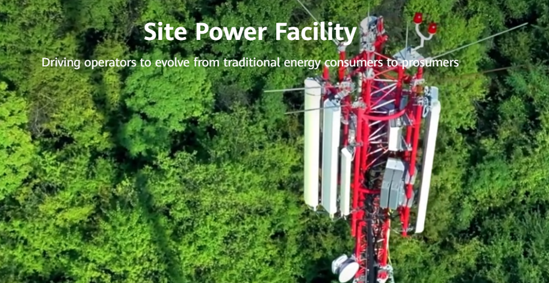
Huawei’s green telecom sites are built on four interconnected technical pillars that address both operational and embodied carbon, setting a new benchmark for sustainable digital infrastructure. The first is energy-efficient hardware: next-generation active antenna units (AAUs) powered by gallium nitride (GaN) semiconductors, which deliver 15 to 20 percent lower power consumption than legacy models while maintaining or improving signal performance. For example, Huawei’s 5G AAU series uses dynamic power scaling, adjusting output based on real-time network traffic to avoid unnecessary energy waste during low-usage hours—such as midnight or early morning when fewer users are online. During peak events like a city-wide music festival, the site can ramp up power from its base 2kW to 5kW to handle the surge in data demand, then immediately scale back once the event ends, preventing overconsumption. The second pillar is renewable energy integration, with sites often combining rooftop solar panels, small vertical wind turbines (ideal for flat or urban areas), and even micro-hydro systems for hilly regions, paired with high-density lithium-iron-phosphate (LFP) battery storage to offset gaps in renewable supply. This hybrid setup ensures the site never relies solely on grid power, even when the sun isn’t shining or wind is calm. Third is smart site management: a cloud-based power management system (PMS) that monitors energy use across all site components—from AAUs and baseband units to cooling systems and lighting—adjusting operations in real time. For instance, in temperate climates, the PMS switches from air conditioning to natural ventilation when outdoor temperatures drop below 25°C, cutting cooling-related energy by up to 35 percent. In arid regions, it optimizes solar panel angle to maximize sunlight exposure throughout the day, boosting energy generation by an additional 10 percent. Finally, embodied carbon reduction: Huawei uses 40 percent recycled steel for telecom towers in many projects, plus low-carbon concrete with 20 percent less cement content (reducing the carbon footprint of concrete by about 30 percent), and even repurposes old telecom equipment as backup components for new sites, lowering the upfront carbon footprint of site construction by an estimated 25 percent compared to standard materials.
See also: Speedy Image-to-Video:One Picture+One Sentence,Bring Static Images to Life
Global Case Studies: From Urban Centers to Remote Rural Areas
Huawei’s green telecom sites have been rolled out across over 100 countries, with tailored solutions for diverse environments from dense urban centers to remote rural areas. In Berlin, Germany, a 5G site installed in 2022 for local operator Telefonica Germany serves a dense residential and commercial district with 15,000+ users. The site runs exclusively on 100 percent renewable energy sourced from nearby wind farms and rooftop solar, with Huawei’s smart PMS adjusting power flow to avoid grid peak periods (when electricity is more carbon-intensive and expensive). Within its first 12 months, the site cut carbon emissions by 78 percent compared to a standard equivalent, while saving the operator roughly €120,000 in annual energy bills—enough to fund two additional small cell sites in the same district. For remote areas without grid access, a standout project is in Kenya’s Maasai Mara National Reserve, where a 4G site serves local communities and tourism operators (who need reliable connectivity for booking and guest services). Instead of diesel generators (which were the only prior option, with fuel transport costs adding 40 percent to operational expenses and 12 tons of annual CO2 emissions), the site uses a hybrid system of 8 solar panels, two small vertical wind turbines, and a 50kWh LFP battery bank. Local youth were trained to maintain the wind turbines, creating 5 part-time jobs in the area. This setup reduced operational costs by 65 percent and eliminated all diesel-related emissions, making it a model for tourism-focused sites in Africa. In Nepal’s Himalayas, a 5G site at 3,800 meters above sea level faces extreme cold (temperatures dropping to -15°C in winter) and heavy snowfall. Huawei’s engineering team modified the site to reuse waste heat from its telecom equipment to warm the tower’s base and battery enclosure, removing the need for separate heating systems that would consume 20 percent more energy. The site also has anti-ice coated solar panels that continue generating power even after snow accumulation, and it supplies internet access to a nearby village school that previously had no digital resources—critical during the COVID-19 pandemic when classes moved online. This site reduced total energy use by 40 percent compared to a traditional site in the same region.


Beyond Carbon Reduction: Operational Efficiency and Community Benefits
The value of Huawei’s green telecom sites extends far beyond carbon cuts, delivering tangible business, social, and environmental benefits for operators and local stakeholders alike. For telecom operators, the most immediate gain is lower operational expenditure (OPEX): the Berlin 5G site’s annual energy savings, for instance, translated to a 10 percent reduction in that site’s total running costs, while the Maasai Mara project cut OPEX by two-thirds by eliminating diesel fuel costs. Smart monitoring also reduces downtime: the cloud-based PMS alerts technicians to equipment issues up to 72 hours before they would cause an outage, with the Himalayan site seeing a 25 percent drop in maintenance-related downtime compared to traditional sites. In dense cities like Mumbai, a green site’s quieter cooling systems (due to optimized airflow and natural cooling) have reduced noise complaints by 80 percent, making it easier for operators to get approval for new site installations. For local communities, these sites often bring critical digital access without straining local resources. In Kenya, the 4G site now serves 12 villages, enabling farmers to check global crop prices in real time (increasing their average monthly income by 18 percent), schools to access online learning materials, and small businesses to set up mobile payment services—something that was impossible with prior unreliable connectivity. In Nepal, the site’s internet access allowed the village school to continue classes during the 2020 COVID-19 lockdown, when in-person teaching was suspended. Additionally, the use of recycled materials in site construction has a secondary benefit: local contractors in project areas (like in Brazil’s Amazon region) have gained skills in working with sustainable building materials, creating small but steady local economic opportunities. Many operators also use these sites to meet corporate sustainability goals, with some European operators reporting that green sites have helped them secure green financing with lower interest rates, as lenders prioritize low-carbon infrastructure investments.
Future Roadmap: Scaling Green Telecom for a Net-Zero Global Network
Huawei’s roadmap for green telecom sites aligns with the global goal of net-zero emissions by 2050, with concrete targets to scale its solutions over the next decade while pushing the boundaries of sustainable digital infrastructure. By 2030, the company aims to have 100 percent of its deployed telecom sites powered by renewable energy, up from the current 60 percent, and to reduce the average carbon footprint of its sites by 50 percent compared to 2020 levels. To achieve this, it is investing in next-generation energy storage technologies, such as solid-state batteries that offer 30 percent higher energy density and 2x longer lifespans than traditional LFP batteries, making them more cost-effective for remote sites with limited access to maintenance. Huawei is also collaborating with research institutions like the University of Cambridge to test hydrogen fuel cell systems for areas with limited solar and wind potential—for example, a pilot project in Australia’s outback uses hydrogen fuel cells to power a 4G site, with zero local emissions and enough energy to support 5,000 users. For the coming 6G era, Huawei is designing sites that are not just energy-efficient but also carbon-negative, incorporating technologies like direct air capture (DAC) that removes small amounts of CO2 from the atmosphere while operating, and AI-powered demand forecasting that predicts energy needs 24 hours in advance to optimize power flow. In China, Huawei has partnered with three major telecom operators to build 1,000 net-zero demonstration sites by 2025, which will serve as models for other regions. These sites will integrate solar, wind, and battery storage, plus AI management, to achieve zero net emissions. The company is also working with governments across Asia, Africa, and Latin America to develop national guidelines for green telecom infrastructure, helping operators navigate regulatory requirements and access funding for sustainable projects. For example, in Nigeria, Huawei is assisting the national telecom regulator to create a framework that offers tax incentives for operators deploying green sites, accelerating adoption. Looking ahead, the focus will also be on circular economy practices: recycling old telecom equipment and site components at the end of their lifecycles, with Huawei aiming to recycle 90 percent of its old telecom hardware by 2027. This holistic approach ensures that green telecom sites are not just a temporary solution but a long-term foundation for sustainable digital transformation, supporting both connectivity growth and climate action.