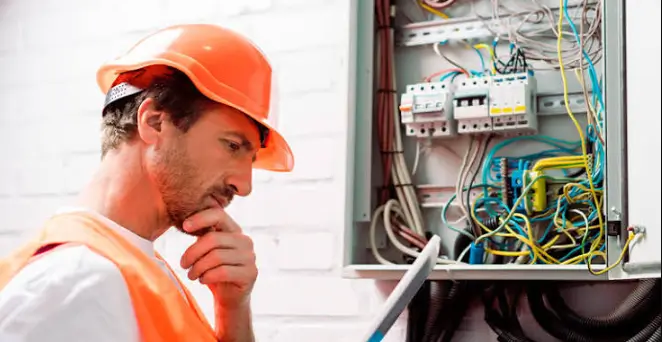
An electrical panel is a crucial component of every residential electrical system. It distributes electricity throughout the property and helps protect individual circuits from excessive electrical current. Proper maintenance of this equipment is essential for maintaining household safety, preventing unexpected power interruptions, and supporting the reliable operation of electrical appliances.
Many homeowners overlook electrical maintenance until a problem occurs. However, understanding basic maintenance practices and recognizing early warning signs can help prevent costly repairs and potentially dangerous electrical conditions.
Why Electrical Panel Maintenance Is Important
Electrical systems operate continuously to support lighting, heating, cooling, kitchen appliances, and various electronic devices. Over time, electrical components may experience wear, environmental damage, or increased demand.


Regular maintenance helps identify potential issues before they develop into serious problems.
A well-maintained electrical distribution system can provide several important benefits, including:
- Improved electrical safety throughout the property.
- Reduced risk of unexpected power interruptions.
- Better protection for household wiring.
- Early identification of damaged electrical components.
- Reliable performance of connected appliances.
- Improved long-term electrical system reliability.
Professional inspections and responsible electricity usage are important parts of maintaining a safe residential environment.
Common Factors That Affect Electrical Panel Performance
Several conditions can influence the efficiency and reliability of electrical distribution equipment.
Aging Electrical Components
Electrical equipment can deteriorate over time due to regular operation, temperature changes, and environmental conditions.
Older circuit breakers and connections may require professional assessment to determine whether they remain suitable for continued use.
Excessive Electrical Demand
Modern homes often contain numerous electrical appliances that operate simultaneously.
When electrical demand exceeds the capacity of a circuit, protective breakers may trip to prevent excessive current from damaging the wiring.
Moisture and Humidity
Water exposure can damage electrical equipment and contribute to corrosion.
Moisture entering an electrical enclosure may affect internal connections and create potentially dangerous electrical conditions.
Improper Electrical Installation
Incorrect wiring methods, incompatible components, and poorly installed equipment can reduce electrical reliability.
Professional installation helps ensure that electrical systems meet applicable safety requirements.
Important Electrical Panel Maintenance Practices
Homeowners can support electrical safety by following simple preventive maintenance practices.
Keep the Surrounding Area Clear
Electrical distribution equipment should remain easily accessible.
Avoid storing boxes, furniture, cleaning products, or other household materials directly in front of the enclosure.
Maintaining appropriate working clearance allows electricians to perform inspections and maintenance safely.
Inspect for Visible Exterior Damage
Homeowners can occasionally examine the exterior of electrical equipment for rust, discoloration, moisture, or physical damage.
Any unusual condition should be evaluated by a qualified electrician.
Never remove protective covers or attempt to inspect internal electrical connections without appropriate training.
Maintain Accurate Circuit Labels
Clearly labeled circuit breakers make it easier to identify which areas of the property receive electricity from specific circuits.
Proper labeling also helps electricians isolate circuits during maintenance or troubleshooting.
Avoid Overloading Electrical Circuits
Connecting too many high-power appliances to a single circuit can create excessive electrical demand.
Appliances should be connected to appropriately rated circuits according to their electrical requirements.
Dedicated circuits may be necessary for certain equipment, depending on applicable electrical codes and manufacturer instructions.
Schedule Professional Inspections
Professional electrical inspections help identify hidden problems that homeowners may not notice during a basic visual examination.
A licensed electrician can evaluate circuit breakers, wiring connections, grounding arrangements, and other essential components.
Warning Signs That Require Immediate Attention
Electrical equipment may develop problems that require professional evaluation.
Homeowners should pay attention to several important warning signs.
Frequently Tripping Circuit Breakers
Repeated breaker trips may indicate excessive electrical demand, damaged wiring, or a faulty connected appliance.
The underlying cause should be identified rather than repeatedly resetting the breaker.
Burning Smells
A burning odor near electrical equipment may indicate overheating or damaged components.
This condition requires urgent attention because it can represent a serious fire hazard.
Buzzing or Crackling Sounds
Unusual sounds coming from electrical distribution equipment can indicate potentially dangerous electrical faults.
A qualified electrician should inspect the equipment to identify the source of the problem.
Flickering Lights
Frequent flickering or dimming lights may result from loose connections, voltage fluctuations, or other electrical issues.
Professional troubleshooting can help determine whether the problem originates within the home or from the external electricity supply.
When Should Homeowners Consider Electrical System Improvements?
Residential electricity requirements often change as homeowners install additional appliances, renovate living spaces, or introduce new technology.
Older electrical systems may not have sufficient capacity to safely accommodate increasing electricity consumption.
In certain situations, an electrical panel upgrade may be recommended to provide appropriate electrical capacity, replace deteriorated equipment, or support additional circuits.
A licensed electrician can assess the existing installation and determine whether repairs, component replacement, or more extensive improvements are necessary.
How Professional Maintenance Improves Home Safety
Professional electrical maintenance is important because internal distribution equipment contains potentially dangerous energized components.
Even when the main breaker is switched off, certain incoming electrical connections may remain live.
Qualified electricians have the knowledge, training, and specialized equipment required to inspect and service these systems safely.
Identifying Hidden Electrical Faults
Professional inspections can reveal damaged wiring, deteriorating connections, and other problems that may not be visible from outside the enclosure.
Evaluating Electrical Capacity
Electricians can assess whether the existing electrical infrastructure is suitable for current household electricity requirements.
Ensuring Proper Equipment Compatibility
Using compatible circuit breakers and electrical components is essential for safe operation.
Professional electricians can verify that installed equipment meets relevant manufacturer specifications and applicable electrical codes.
Long-Term Benefits of Preventive Electrical Maintenance
Preventive maintenance provides several advantages beyond addressing immediate electrical concerns.
Regular professional assessments can help homeowners plan necessary improvements, identify deteriorating equipment, and reduce the likelihood of unexpected electrical failures.
Maintaining accurate circuit labels, protecting equipment from moisture, and avoiding excessive electrical loads also contribute to long-term reliability.
These practices are particularly valuable for older homes and properties that have undergone multiple renovations or electrical modifications.
Conclusion
Proper electrical panel maintenance is essential for keeping a residential electrical system safe, reliable, and suitable for everyday electricity requirements.
Understanding common warning signs, avoiding circuit overloads, maintaining accessible equipment, and scheduling professional inspections can help homeowners reduce electrical hazards.
By following preventive maintenance practices and addressing potential problems promptly, homeowners can protect their electrical infrastructure and maintain a dependable power supply for years to come.